AI Appraisal Estimate

AI-generated estimates · not official valuations

From the user

What was submitted

Photo and notes provided by the user — not generated by AI

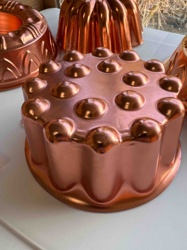
Submitted item photo
Submitted photo · May 19, 2026

User's notes

No additional notes provided.

AI analysis below

AI appraisal

AI analysis & estimate

AI-Generated · Verify before acting

Everything below is generated by AI for informational purposes only. AI can make mistakes — the AI may misidentify items or misattribute them (artist, maker, brand, designer, origin, era). This is not an official valuation and should not be used for insurance, sale, tax, estate, legal, or lending purposes — or any decision requiring a certified appraisal. It is not an authoritative claim about any person, brand, or rights holder — do not share or rely on it as a factual statement about a third party. Always consult qualified professionals before making financial decisions.

Read the full disclaimer

AI Identification

·Not independently authenticated·Verify before acting

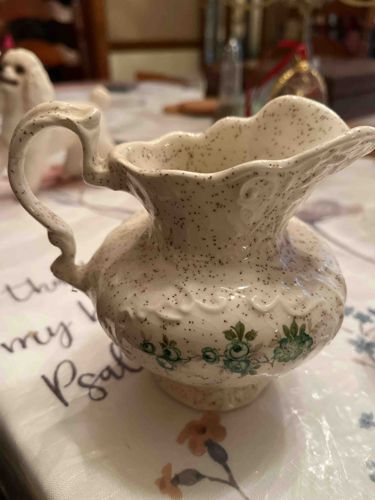
Vintage Speckled Ceramic Floral Pitcher

Antique & Vintage Kitchenware

AI Estimated Value

·Not an official valuation·Verify before acting

$15.00 - $25.00

As of May 19, 2026

AI Item Analysis

·AI can make mistakes·Verify before acting
This item is a small vintage ceramic pitcher or creamer featuring a distinctive speckled finish on a cream-colored base. The physical construction consists of a bulbous body that tapers into a flared, scalloped rim and a wide pouring spout. A scrolled, ornate handle is attached to the side, exhibiting decorative flourishes at the top and bottom junctions. The exterior surface is adorned with a band of green floral transfers, depicting small roses and leaves encircling the widest part of the vessel. Above the floral band is a raised, molded scalloped pattern that adds textural depth to the piece. The overall material appears to be a fired earthenware or ironstone. Regarding condition, the pitcher shows visible age-related wear, including significant surface crazing throughout the glaze. There are no large chips or cracks visible on the main body from this angle, though the spotting in the glaze appears intentional rather than environmental staining. The style is mid-20th-century country cottage or provincial, likely dating from the 1960s to the 1980s. While no maker's mark is visible in the photograph, the quality of the transfer art and the molded relief work suggests mass production for domestic use, frequently seen from companies like Redwing, McCoy, or various Japanese export brands of that era.
AI Appraisal Report

·AI can make mistakes·Verify before acting
I have examined the digital representation of this vintage ceramic pitcher. This piece exhibits characteristic features of late 20th-century provincial kitchenware, likely produced between 1970 and 1985. The molded relief work and green rose transfer-ware patterns are consistent with mass-produced domestic exports from Japan or US-based potteries like McCoy. The speckled 'oatmeal' glaze was a popular aesthetic choice during this era to simulate a rustic, handmade feel. In my visual assessment, the condition is fair to good; while the body remains structurally intact, there is heavy surface crazing present in the glaze. While some collectors find crazing acceptable in 'country cottage' aesthetics, it generally indicates a breakdown of the glaze-to-body bond, which can impact utility for liquid service. The market for this specific type of kitchenware is currently saturated. Comparable items frequently sell at regional antique malls and online marketplaces within the $15 to $25 range. The lack of a visible maker's mark suggests a more common production run rather than a premium designer piece. Authenticity as a vintage item is supported by the specific wear patterns and molding techniques visible. However, a definitive valuation and authentication are limited by the digital format. A physical inspection is necessary to check for hidden hairlines, underside markings, or restoration. Verification of provenance or original manufacturer's catalogs would be required to elevate this from a 'general vintage' classification to a specific collectible brand. For insurance purposes, this should be considered a decorative object rather than a high-value investment piece.

Get your items appraised

Instant estimates of your treasures with AI-powered appraisals

Browse More Appraisals