AI Appraisal Estimate

AI-generated estimates · not official valuations

From the user

What was submitted

Photo and notes provided by the user — not generated by AI

Submitted item photo
Submitted photo · May 27, 2026

User's notes

No additional notes provided.

AI analysis below

AI appraisal

AI analysis & estimate

AI-Generated · Verify before acting

Everything below is generated by AI for informational purposes only. AI can make mistakes — the AI may misidentify items or misattribute them (artist, maker, brand, designer, origin, era). This is not an official valuation and should not be used for insurance, sale, tax, estate, legal, or lending purposes — or any decision requiring a certified appraisal. It is not an authoritative claim about any person, brand, or rights holder — do not share or rely on it as a factual statement about a third party. Always consult qualified professionals before making financial decisions.

Read the full disclaimer

AI Identification

·Not independently authenticated·Verify before acting

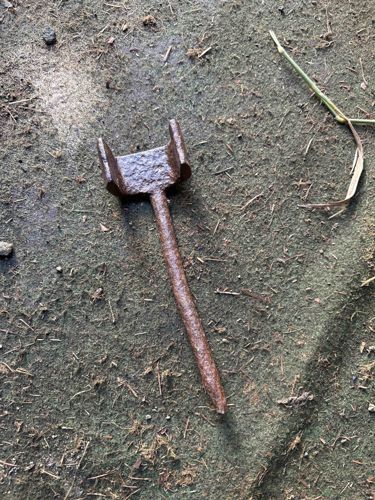
Rusty U-Shaped Metal Implement Component

Antique Tools / Agricultural Implements Component

AI Estimated Value

·Not an official valuation·Verify before acting

$15-30

As of May 27, 2026

AI Item Analysis

·AI can make mistakes·Verify before acting
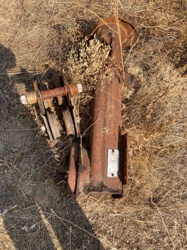
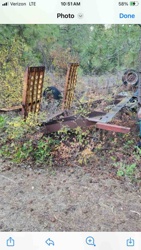
The item appears to be an antique agricultural implement component, possibly a specialized type of stake, pin, or securing device. It is constructed entirely of cast iron or a similar ferrous metal, indicated by its heavily corroded, reddish-brown surface patina. The overall shape is T-shaped when viewed from the side, with a flat, shovel-like head featuring two prominent, upright prongs or ears that form a U-shape opening. The head transitions into a long, cylindrical shaft that tapers slightly towards its pointed or blunt end, suggesting it was designed to be driven into the ground or another material. The dimensions are not precisely discernible from the image, but it appears to be a hand-held size, likely ranging from 8 to 12 inches in length. The texture of the metal is rough and pitted due to extensive oxidation, which obscures any fine details, markings, or manufacturing stamps. No visible repairs are present, but the deep rust indicates prolonged exposure to the elements. The item shows significant signs of age and wear consistent with typical farm or outdoor tool use and subsequent neglect. The craftsmanship appears robust and functional, typical of early industrial or blacksmith-made agricultural tools designed for durability rather than intricate aesthetics. Its specific purpose remains somewhat ambiguous without further context, but it strongly resembles components found in fencing, vineyard tools, or light plowing/harrowing equipment from the late 19th or early 20th century.
AI Appraisal Report

·AI can make mistakes·Verify before acting
Upon examining the provided image of this Rusty U-Shaped Metal Implement Component, I assess its condition as poor but stable, consistent with extensive outdoor exposure and neglect. The heavy, reddish-brown oxidation and pitting are indicative of cast iron or a similar ferrous alloy, confirming its antique nature and typical wear for agricultural tools. Authenticity, based solely on visual cues, appears high; it aligns well with known designs for late 19th to early 20th-century agricultural or fencing implements. Its robust build suggests functional craftsmanship rather than decorative intent, lending credibility to its age and original purpose. From a market perspective, demand for unrestored, heavily oxidized single components of indeterminate purpose is generally low. While antique farming tools have a niche collector base, individual components lack the appeal of complete, identifiable tools. Comparables would include other rusty iron stakes or specific implement parts, which typically fetch low prices. Rarity is difficult to ascertain without knowing its precise function; however, generic stakes or pins are common. Its ambiguity limits broader appeal. The primary factor impacting value negatively is its heavily deteriorated condition and lack of specific identification or provenance. The heavy rust obscures potential maker's marks or unique design features that could elevate its rarity or historical significance. Without cleaning, identification of its precise utility is speculative, making it less desirable than a clearly identifiable tool. Limitations in authenticity verification from images alone are significant. I cannot definitively confirm the metal composition without spectroscopy or chemical analysis, nor can I rule out modern reproductions attempting an 'aged' look without examining the patina firsthand for consistency and depth. A physical examination would allow for precise measurements, tactile assessment of the corrosion patterns, and a thorough search for hidden markings. Provenance documentation (e.g., historical photographs, purchase records) linking it to a specific farm or period would be invaluable for full authentication and historical context, greatly enhancing its value beyond its current 'rusty implement part' status.

Get your items appraised

Instant estimates of your treasures with AI-powered appraisals

Browse More Appraisals