Rough Emerald Gemstones Parcel
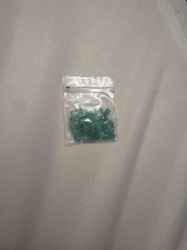
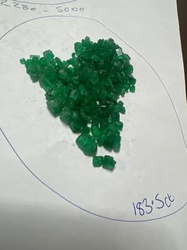
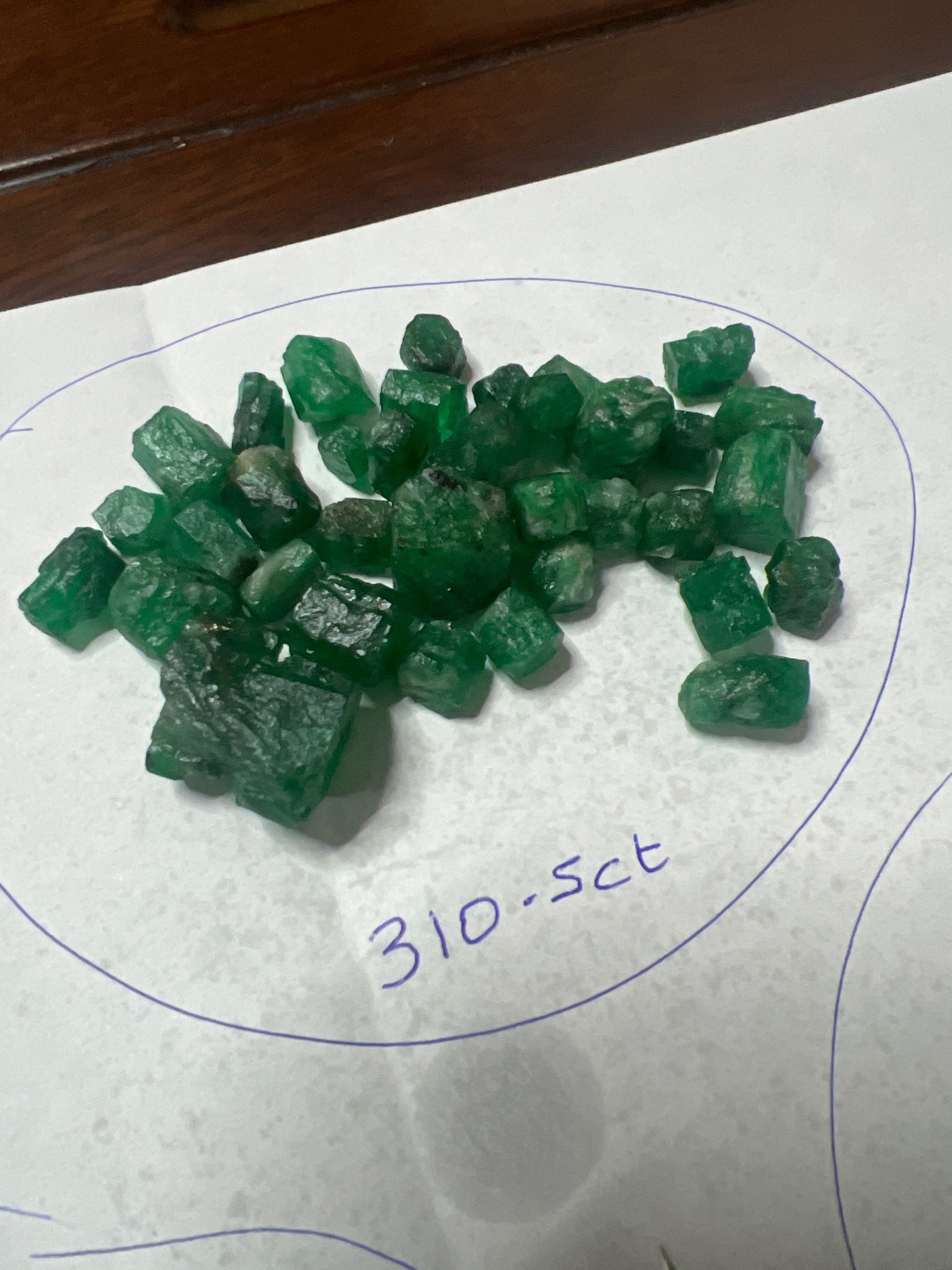
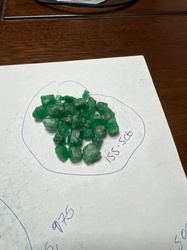
This parcel contains a collection of rough, uncut natural emeralds, collectively weighing approximately 310.5 carats as indicated by the accompanying handwritten note. The crystals exhibit a vibrant, saturated medium-to-deep green hue typical of beryl colored by chromium or vanadium. Physically, the specimens display characteristic hexagonal prismatic crystal habits, though many are fragmented or abraded. Sizes vary from small pea-sized nuggets to larger blocky segments approximately 1-2 centimeters in length. The clarity ranges from translucent to opaque, with significant internal inclusions, 'jardin', and surface-reaching fissures visible across most pieces. Some specimens show dark mineral matrix attachments, likely mica or calcite, suggesting a common origin. The surface texture is naturally rugged and matte, lacking the luster of polished stones. There is no evidence of heat treatment or oil enhancement visible to the naked eye, though such treatments are standard for the mineral. These rough stones represent specimen-grade material suitable for tumbling, cabochon cutting, or mineral collections, though their high inclusion density may limit their yield for transparent faceted gems.
AI-Generated Appraisal Disclaimer
Estimated Value
$1,800 - $2,500
Basic Information
Category
Gemstones & Minerals
Appraised On
May 4, 2026
Estimated Value
$1,800 - $2,500
Item Description
This parcel contains a collection of rough, uncut natural emeralds, collectively weighing approximately 310.5 carats as indicated by the accompanying handwritten note. The crystals exhibit a vibrant, saturated medium-to-deep green hue typical of beryl colored by chromium or vanadium. Physically, the specimens display characteristic hexagonal prismatic crystal habits, though many are fragmented or abraded. Sizes vary from small pea-sized nuggets to larger blocky segments approximately 1-2 centimeters in length. The clarity ranges from translucent to opaque, with significant internal inclusions, 'jardin', and surface-reaching fissures visible across most pieces. Some specimens show dark mineral matrix attachments, likely mica or calcite, suggesting a common origin. The surface texture is naturally rugged and matte, lacking the luster of polished stones. There is no evidence of heat treatment or oil enhancement visible to the naked eye, though such treatments are standard for the mineral. These rough stones represent specimen-grade material suitable for tumbling, cabochon cutting, or mineral collections, though their high inclusion density may limit their yield for transparent faceted gems.
Get Your Items Appraised
Instant estimates of your treasures with AI-powered instant appraisals