AI Appraisal Estimate

AI-generated estimates · not official valuations

From the user

What was submitted

Photo and notes provided by the user — not generated by AI

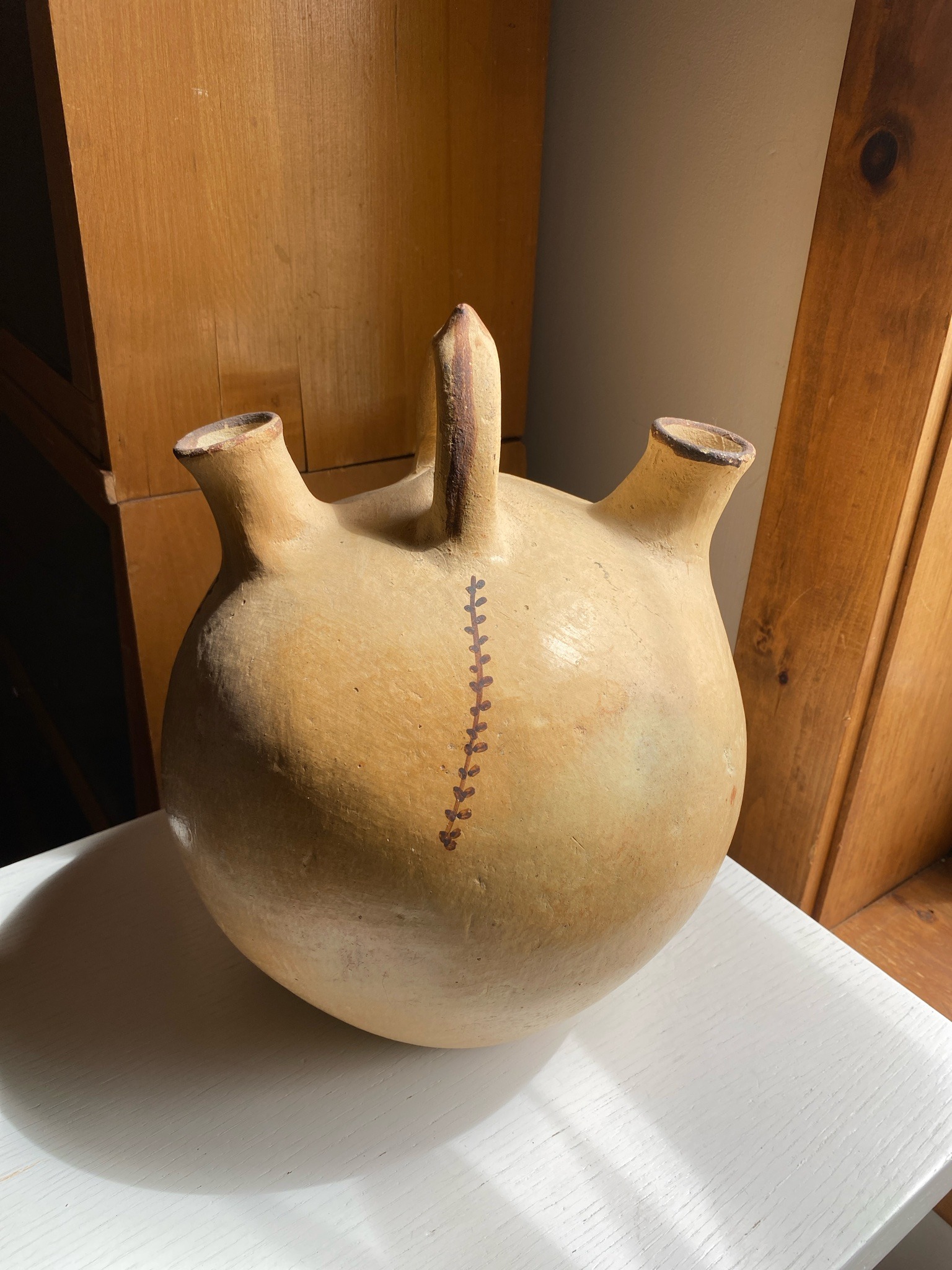
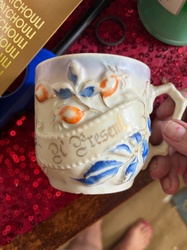
Submitted item photo
Submitted photo · June 15, 2026

User's notes

No additional notes provided.

AI analysis below

AI appraisal

AI analysis & estimate

AI-Generated · Verify before acting

Everything below is generated by AI for informational purposes only. AI can make mistakes — the AI may misidentify items or misattribute them (artist, maker, brand, designer, origin, era). This is not an official valuation and should not be used for insurance, sale, tax, estate, legal, or lending purposes — or any decision requiring a certified appraisal. It is not an authoritative claim about any person, brand, or rights holder — do not share or rely on it as a factual statement about a third party. Always consult qualified professionals before making financial decisions.

Read the full disclaimer

AI Identification

·Not independently authenticated·Verify before acting

Triple-Spout Folk Art Terracotta Botijo

Ceramics and Pottery

AI Estimated Value

·Not an official valuation·Verify before acting

$150-250

As of June 15, 2026

AI Item Analysis

·AI can make mistakes·Verify before acting
This item is a handcrafted terracotta vessel, likely a Spanish botijo or similar Mediterranean water jug, dating from the mid-20th century. It features a spherical, bulbous body made of buff-colored earthenware with an unglazed, buff-matte finish that shows signs of hand-burnishing. The unique construction includes three protrusions from the top: two functional pouring/filling spouts with flared rims and a central arched handle. The primary decorative element is a vertical, hand-painted sprig or vine motif in dark manganese or iron oxide pigment, running down the center of the body aligned with the handle. There is additional dark pigment detailing along the spine of the handle and circling the rims of the spouts. Physically, the vessel exhibits signs of traditional pinch and coil construction, resulting in slight asymmetrical nuances. The condition shows age-appropriate wear, including small surface pits, light abrasions, and a natural patina from handling. There are no significant cracks or large chips visible, indicating it has been well-preserved. The craftsmanship is characteristic of regional European or Latin American folk pottery, prioritizing functional thermal cooling properties alongside simple, elegant geometric forms.
AI Appraisal Report

·AI can make mistakes·Verify before acting
Based on my visual examination of this triple-spout terracotta botijo, I find it to be an authentic example of mid-20th-century Mediterranean folk pottery, likely originating from a Spanish regional tradition such as those found in Aragon or Valencia. The vessel exhibits classic construction techniques, including hand-burnishing and hand-painted manganese oxide motifs that are synonymous with regional utility ware of that era. The condition is excellent for earthenware; the absence of significant 'pitting' or salt efflorescence suggests it was likely kept as a decorative object rather than used daily for water cooling. The market for mid-century European folk art remains steady but accessible. Comparables for unglazed Spanish botijos typically fetch between $100 and $300 depending on the complexity of the form. This piece benefits from the 'triple-spout' configuration, which adds architectural interest for collectors of primitive ceramics. However, the lack of a known artist's mark or specific provincial stamp keeps the value within a modest range. Limitations: This appraisal is based solely on high-resolution imagery. Without a physical inspection, I cannot verify the resonance of the clay—which helps identify hidden hairline fractures—nor can I perform a 'lick test' or tactile analysis to confirm the porosity and age of the slip. For a definitive authentication, provenance documents (such as original purchase records from the region of origin) or a thermoluminescence (TL) test would be required to scientifically confirm the firing date. This valuation assumes the piece is free of professional restorations that are invisible to the naked eye.

Get your items appraised

Instant estimates of your treasures with AI-powered appraisals

Browse More Appraisals