AI Appraisal Estimate

AI-generated estimates · not official valuations

From the user

What was submitted

Photo and notes provided by the user — not generated by AI

Submitted item photo
Submitted photo · June 20, 2026

User's notes

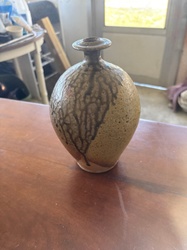
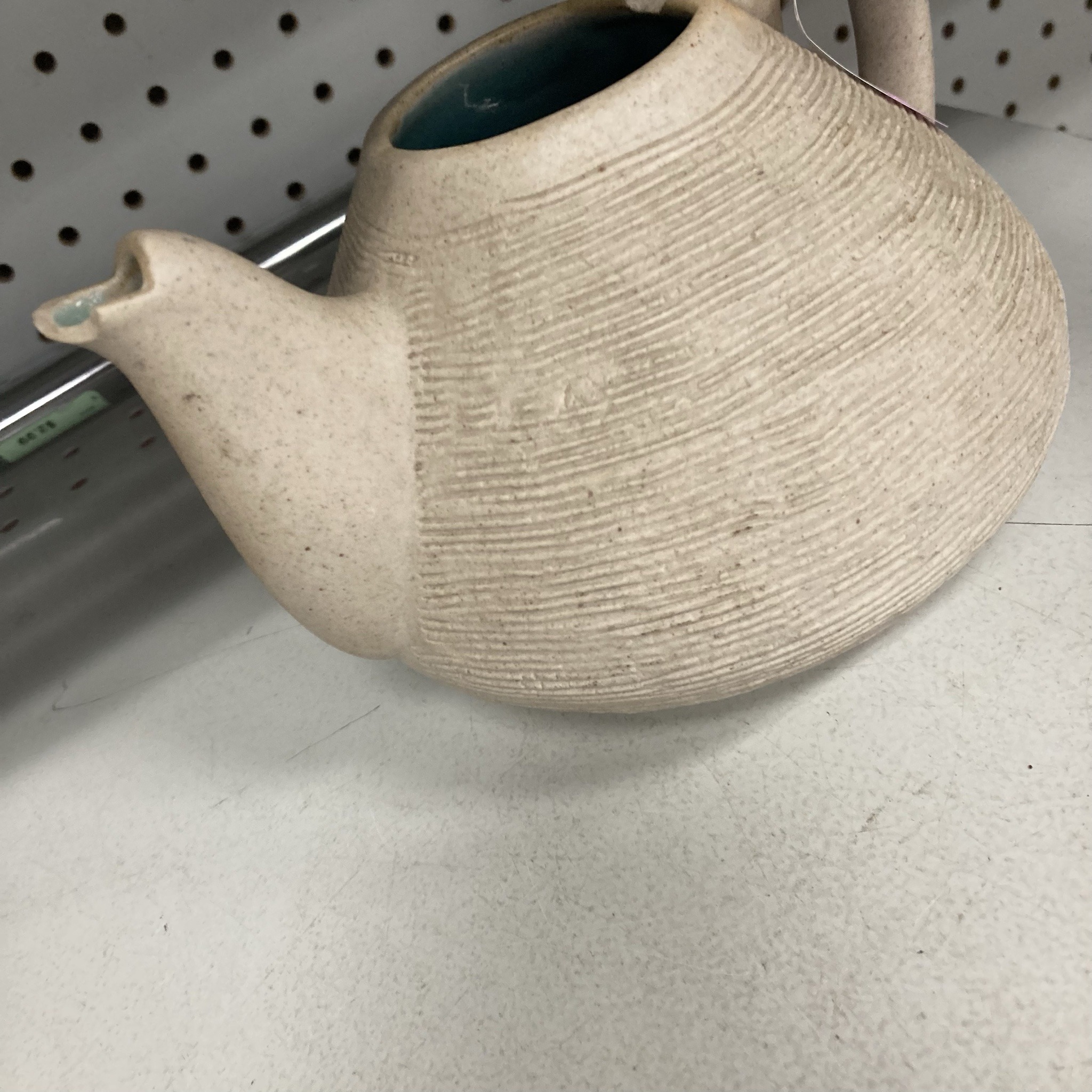
pigeon forge tn chipped spout

AI analysis below

AI appraisal

AI analysis & estimate

AI-Generated · Verify before acting

Everything below is generated by AI for informational purposes only. AI can make mistakes — the AI may misidentify items or misattribute them (artist, maker, brand, designer, origin, era). This is not an official valuation and should not be used for insurance, sale, tax, estate, legal, or lending purposes — or any decision requiring a certified appraisal. It is not an authoritative claim about any person, brand, or rights holder — do not share or rely on it as a factual statement about a third party. Always consult qualified professionals before making financial decisions.

Note

This analysis also relies on unverified notes provided by the user, which may be incomplete or inaccurate and could affect the result.

Read the full disclaimer

AI Identification

·Not independently authenticated·Verify before acting

Pigeon Forge Pottery Studio Art Teapot

Art Pottery / Collectible Ceramics

AI Estimated Value

·Not an official valuation·Verify before acting

$45.00 - $65.00

As of June 20, 2026

AI Item Analysis

·AI can make mistakes·Verify before acting
This is a hand-thrown studio pottery teapot attributed to Pigeon Forge Pottery of Tennessee, likely dating from the mid-20th century (circa 1950s-1970s). The piece features a bulbous, squat body with a distinctive organic form. The exterior is finished in a matte, cream-colored unglazed or lightly slip-coated stoneware, characterized by a heavy horizontal ribbed or corded texture running across the entire main body. A contrasting smooth texture is found on the short, tapered spout and the integrated handle (partially visible). The interior is finished with a smooth, deep teal or forest green glossy glaze, a characteristic color palette for this specific studio. Regarding the physical condition, there is a prominent chip on the upper lip of the pouring spout, exposing the underlying pale ceramic body and the interior glaze layer. There is also visible shelf wear and light surface soiling consistent with age and previous use. The craftsmanship reflects the American studio pottery movement, emphasizing tactile surfaces and earthy utility. While a lid is missing in this view, the wide rim suggests it originally possessed one. The piece represents the regional craft traditions of the Smoky Mountains area.
AI Appraisal Report

·AI can make mistakes·Verify before acting
I have examined the digital documentation of this Pigeon Forge Pottery teapot. Based on the horizontal corded texture and the signature forest green interior glaze, I have attributed this to Douglas Ferguson’s Pigeon Forge studio, active in the mid-20th century. The piece exhibits the tactile, earthy aesthetic synonymous with Southern Appalachian craft traditions. While the form and glaze application are consistent with authentic production from the 1950s-1970s, the item suffers from two significant condition issues: a prominent chip on the spout and the absence of the original lid. In the current market for American studio pottery, Pigeon Forge pieces are widely collected but generally accessible. Undamaged, complete teapots of this style typically command $125 to $175. However, the loss of the lid reduces the item to a decorative vessel rather than a functional set, and the spout damage further diminishes value by approximately 60-70%. Similar 'orphan' pieces with damage sell primarily as study pieces or regional artifacts. Authentic identification via images is based on visual hallmarks; a definitive appraisal would require a physical inspection of the base for the 'Pigeon Forge Pottery' stamp or incised signature. Provenance regarding the original purchase location or historical ownership would also strengthen the attribution. Without a physical handled inspection, I cannot rule out later studio copies or verify the depth of the firing cracks, though the overall craftsmanship appears consistent with period originals.

Get your items appraised

Instant estimates of your treasures with AI-powered appraisals

Browse More Appraisals