AI Appraisal Estimate

AI-generated estimates · not official valuations

From the user

What was submitted

Photo and notes provided by the user — not generated by AI

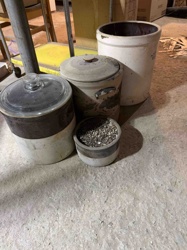
Submitted item photo
Submitted photo · June 22, 2026

User's notes

Unknown artist, untitled sculpture

AI analysis below

AI appraisal

AI analysis & estimate

AI-Generated · Verify before acting

Everything below is generated by AI for informational purposes only. AI can make mistakes — the AI may misidentify items or misattribute them (artist, maker, brand, designer, origin, era). This is not an official valuation and should not be used for insurance, sale, tax, estate, legal, or lending purposes — or any decision requiring a certified appraisal. It is not an authoritative claim about any person, brand, or rights holder — do not share or rely on it as a factual statement about a third party. Always consult qualified professionals before making financial decisions.

Note

This analysis also relies on unverified notes provided by the user, which may be incomplete or inaccurate and could affect the result.

Read the full disclaimer

AI Identification

·Not independently authenticated·Verify before acting

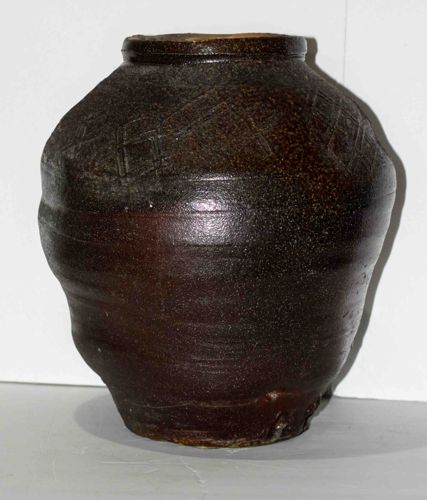
Ovoid Stoneware Storage Jar in Albany-Type Slip Glaze

Antique Utilitarian Ceramics / Stoneware

AI Estimated Value

·Not an official valuation·Verify before acting

$150 - $250

As of June 22, 2026

AI Item Analysis

·AI can make mistakes·Verify before acting
This is a hand-thrown ceramic storage jar, likely stoneware, featuring a deep chocolate brown or manganese-colored slip glaze, characteristic of 19th-century American or European utilitarian pottery. The jar exhibits a classic ovoid or bulbous form that tapers significantly toward a narrow, flat base. The upper shoulder of the vessel is decorated with a series of incised, diagonal linear markings forming a crude lattice or cross-hatch pattern, which provides both a decorative element and a tactile grip. The vessel's surface is highly textured with visible throwing rings around the midsection and an asymmetrical profile, suggesting craft-level production rather than industrial manufacturing. The rim is short and thickened, designed to sit under a lid (not present) or to be tied off with fabric/leather. Regarding condition, there is prominent surface pitting, kiln scars, and organic irregularities in the glaze application. Visible chips and heavy wear are apparent at the base, and there is a possible repair or substantial glaze pop near the bottom right. The overall aesthetic is rustic and folk-art in nature, typical of mid-to-late 19th-century functional wares used for preserving foodstuffs.
AI Appraisal Report

·AI can make mistakes·Verify before acting
Based on my visual examination of the images provided, this vessel appears to be a mid-to-late 19th-century American stoneware storage jar featuring a classic Albany-type slip glaze. The ovoid form with a tapered base is characteristic of utilitarian pottery produced prior to the widespread industrial standardization of the late 1800s. The incised cross-hatch or lattice decoration on the shoulder is a charming folk art touch, likely executed quickly with a stylus or comb tool, adding visual interest to an otherwise strictly functional piece. The condition significantly impacts the value. The piece exhibits heavy wear consistent with age and daily use, including prominent surface pitting, kiln furniture scars, and substantial chipping along the base. The 'possible repair or glaze pop' noted near the bottom right is concerning; without tactile inspection or UV light analysis, I cannot confirm if this is a stable firing defect or a restoration that masks a crack. While the asymmetry and visible throwing rings confirm its hand-thrown nature, they also suggest a provincial or 'country' potter rather than a high-end manufactory. In the current market, while pristine examples of signed American stoneware command high prices, unsigned, rustic utilitarian wares with condition issues are more modest. Comparable generic Albany-slip jars of this size without cobalt decoration typically close in the low hundreds. The value lies primarily in its aesthetic appeal as a decorative folk art object rather than as investment-grade ceramics. To provide a definitive valuation, I would need to physically handle the jar to sound it for hairline cracks and verify the stability of the base damage.

Get your items appraised

Instant estimates of your treasures with AI-powered appraisals

Browse More Appraisals