AI Appraisal Estimate

AI-generated estimates · not official valuations

From the user

What was submitted

Photo and notes provided by the user — not generated by AI

Submitted item photo
Submitted photo · June 20, 2026

User's notes

No additional notes provided.

AI analysis below

AI appraisal

AI analysis & estimate

AI-Generated · Verify before acting

Everything below is generated by AI for informational purposes only. AI can make mistakes — the AI may misidentify items or misattribute them (artist, maker, brand, designer, origin, era). This is not an official valuation and should not be used for insurance, sale, tax, estate, legal, or lending purposes — or any decision requiring a certified appraisal. It is not an authoritative claim about any person, brand, or rights holder — do not share or rely on it as a factual statement about a third party. Always consult qualified professionals before making financial decisions.

Read the full disclaimer

AI Identification

·Not independently authenticated·Verify before acting

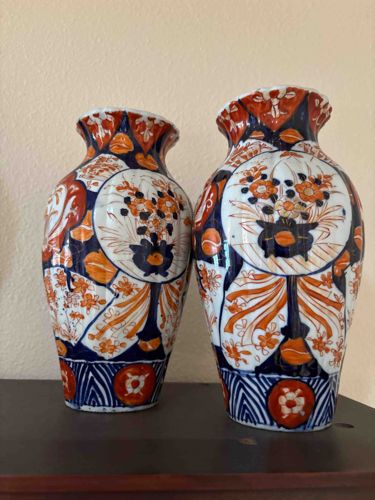
Pair of Japanese Imari Porcelain Baluster Vases

Asian Antiques - Japanese Ceramics

AI Estimated Value

·Not an official valuation·Verify before acting

$400 - $600 USD

As of June 20, 2026

AI Item Analysis

·AI can make mistakes·Verify before acting
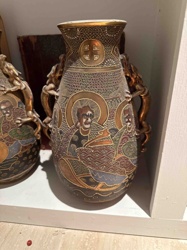
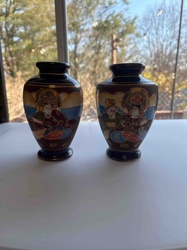
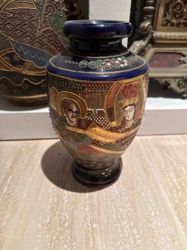
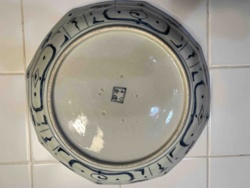
This is a matching pair of Japanese porcelain vases, likely dating from the Meiji period (late 19th to early 20th century). These vases are rendered in the classic Imari 'Kinrande' style, characterized by a sophisticated underglaze cobalt blue combined with overglaze iron-red (rust orange) and traces of gilt highlights on a white porcelain ground. The form is a traditional baluster shape with a lobed or fluted body and a slightly flared, scalloped rim. The decorative program is densely packed, featuring circular reserves (medallions) containing floral sprays, surrounded by geometric patterns, stylized cherry blossoms, and fan-like motifs. The base of each vase is decorated with a band of blue and white 'shippo' or wave-like patterns interspersed with orange floral roundels. The craftsmanship suggests a commercial export high-quality production, indicated by the symmetry and consistent application of pigments. Regarding condition, there appears to be minor surface wear consistent with age, particularly rubbing to the overglaze orange pigments and some potential kiln spotting or glaze imperfections. There are no large visible cracks or significant chips from this frontal view, though the rims show typical minor irregularities of hand-finished ceramics. The vases lack visible maker's marks in the current view, but their palette and lobed construction are quintessential of Arita-ware production meant for the Western market.

AI Appraisal Report

·AI can make mistakes·Verify before acting
Based on my visual examination, this is a charming pair of Japanese Imari vases, almost certainly originating from the Meiji period (1868–1912). The vases exhibit the classic 'Kinrande' export aesthetic, featuring the distinctive underglaze cobalt blue and overglaze iron-red palette on a white porcelain body. The lobed baluster form and scalloped rims are typical of Arita production intended for Western export markets during the late 19th century. Condition-wise, the pair appears generally sound. I observe rubbing to the overglaze enamels, particularly the orange pigment, which is consistent with handling over 100+ years. The minor glaze irregularities and potential kiln dust visible in the photos are standard for mass-produced export wares of this era and do not significantly detract from value. Without handling them, I cannot confirm the presence of finer hairlines or restoration to the rims, which are common issues. The market for commercial-grade Imari remains steady but softer than in previous decades. While these are decorative and present well as a pair, they are relatively abundant. Comparable sales for similar-sized lobed vase pairs generally fall in the mid-hundreds at auction. Their value is driven by their decorative appeal rather than rarity or attribution to a specific master artist. A definitive attribution would require physical inspection of the foot rim and paste, as well as checking for high-quality gilding loss not visible here. As always with internet-based appraisals, I must note that this evaluation assumes no major hidden damage (cracks or old repairs) that would become obvious only under UV light or tactile inspection.

Get your items appraised

Instant estimates of your treasures with AI-powered appraisals

Browse More Appraisals