Lower Paleolithic Biface Hand Axe Chert Tool
Prehistoric Artifacts / Archaeological Lithics

Lower Paleolithic Biface Hand Axe Chert Tool

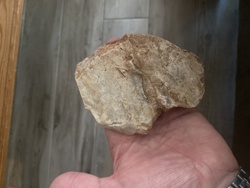
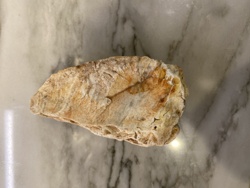
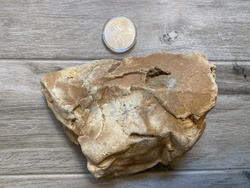
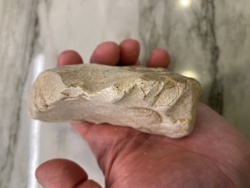
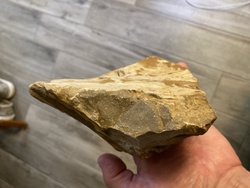
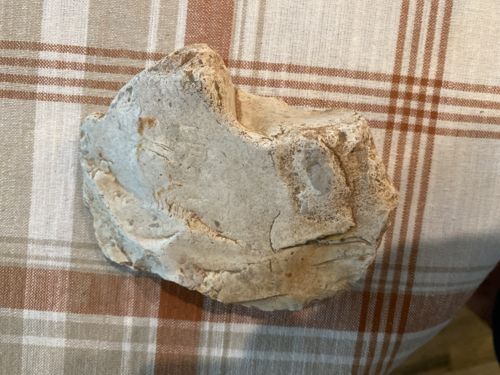
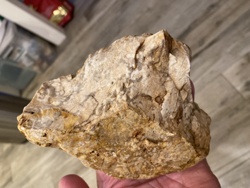
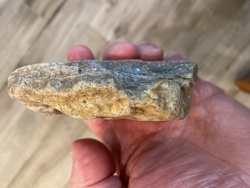
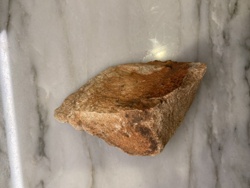
This artifact is a prehistoric lithic tool, identified as a biface hand axe or large scraper, fashioned from a dense, light-colored chert. Measuring approximately 5.50 inches in length and 4 inches in width, the specimen exhibits the characteristic teardrop or sub-ovate morphology typical of Lower Paleolithic stone technologies. The object displays clear evidence of percussion flaking, with multiple large flake scars across its surface that indicate intentional shaping through a reduction process. The material shows a varied coloration, predominantly off-white and cream, with subtle earthy ochre and tan staining indicative of long-term soil exposure and mineral absorption. One edge appears more refined, suggesting a primary working surface for cutting or scraping, while the 'butt' of the tool is thicker and more rounded to facilitate a secure grip in the palm. Several Step-fractures and minor surface abrasions are visible, consistent with use-wear and natural geological processes over millennia. There is no evidence of modern signature or maker's marks, as it is an ancient hand-crafted tool. The craftsmanship reflects a high degree of skill in stone reduction, with a focus on functional ergonomics. The patina is well-established, covering the recessed flake scars uniformly, which supports its identification as an ancient lithic artifact rather than a modern reproduction. Found in Guthrie, Oklahoma, this piece represents a significant example of early human or hominid tool-making traditions in the region.
Estimated Value

$150-250

Basic Information

Category

Prehistoric Artifacts / Archaeological Lithics

Appraised On

March 6, 2026

Estimated Value

$150-250

Additional Details Provided By Owner

User Provided Information

Lower Paleolithic chert bi face hand axe scraper tool found in Guthrie OK measuring 5.50" x 4"

Item Description

This artifact is a prehistoric lithic tool, identified as a biface hand axe or large scraper, fashioned from a dense, light-colored chert. Measuring approximately 5.50 inches in length and 4 inches in width, the specimen exhibits the characteristic teardrop or sub-ovate morphology typical of Lower Paleolithic stone technologies. The object displays clear evidence of percussion flaking, with multiple large flake scars across its surface that indicate intentional shaping through a reduction process. The material shows a varied coloration, predominantly off-white and cream, with subtle earthy ochre and tan staining indicative of long-term soil exposure and mineral absorption. One edge appears more refined, suggesting a primary working surface for cutting or scraping, while the 'butt' of the tool is thicker and more rounded to facilitate a secure grip in the palm. Several Step-fractures and minor surface abrasions are visible, consistent with use-wear and natural geological processes over millennia. There is no evidence of modern signature or maker's marks, as it is an ancient hand-crafted tool. The craftsmanship reflects a high degree of skill in stone reduction, with a focus on functional ergonomics. The patina is well-established, covering the recessed flake scars uniformly, which supports its identification as an ancient lithic artifact rather than a modern reproduction. Found in Guthrie, Oklahoma, this piece represents a significant example of early human or hominid tool-making traditions in the region.
Get Your Items Appraised

Instant estimates of your treasures with AI-powered instant appraisals

Browse More Appraisals