AI Appraisal Estimate

AI-generated estimates · not official valuations

From the user

What was submitted

Photo and notes provided by the user — not generated by AI

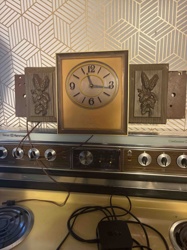
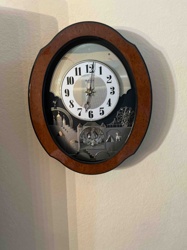
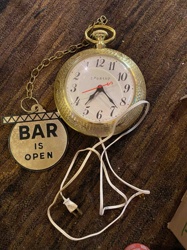
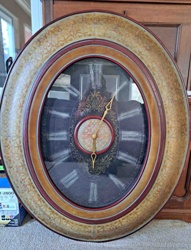
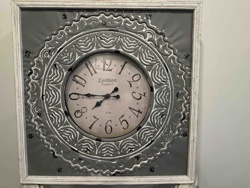
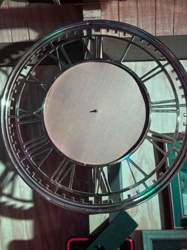
Submitted item photo
Submitted photo · June 4, 2026

User's notes

No additional notes provided.

AI analysis below

AI appraisal

AI analysis & estimate

AI-Generated · Verify before acting

Everything below is generated by AI for informational purposes only. AI can make mistakes — the AI may misidentify items or misattribute them (artist, maker, brand, designer, origin, era). This is not an official valuation and should not be used for insurance, sale, tax, estate, legal, or lending purposes — or any decision requiring a certified appraisal. It is not an authoritative claim about any person, brand, or rights holder — do not share or rely on it as a factual statement about a third party. Always consult qualified professionals before making financial decisions.

Read the full disclaimer

AI Identification

·Not independently authenticated·Verify before acting

Decorative Chinoiserie Style Wall Clock

Wall Clock

AI Estimated Value

·Not an official valuation·Verify before acting

$200-400

As of June 4, 2026

AI Item Analysis

·AI can make mistakes·Verify before acting
This is a decorative wall clock with a composite construction, likely wood or resin with a painted and gilded finish that mimics the appearance of an antique banjoolly supported on a tapered body, which then expands at the base. The clock face itself is circular with Roman numeral hour markers and delicate black hands against a cream-colored background. The upper portion features an ornate gilded surround. Below the clock face is a long, rectangular panel with intricate decoration in a Chinoiserie style, depicting Oriental landscapes and figures in gold and red against a dark background. This panel is flanked by gilded stylized scrolling elements. The lower, wider section of the clock features a larger rectangular panel, also in the Chinoiserie style, with a scene that includes palm trees and a pagoda-like structure, possibly with figures. This panel is bordered by gilded molding and decorative spheres along the bottom edge. The clock terminates in a pointed finial at the very bottom. The gilded finish shows some wear and rubbing, particularly on raised areas, indicating age or handling. The decorative panels appear to be in good condition with vibrant colors, though minor surface imperfections are possible. The overall style suggests a reproduction piece, possibly from the mid to late 20th century, although without maker's marks, a definitive age and origin are difficult to determine. The craftsmanship appears to be decorative rather than of fine horological quality, intended for aesthetic appeal.
AI Appraisal Report

·AI can make mistakes·Verify before acting
I have examined the images of this decorative Chinoiserie style wall clock. Based on the visual information, the clock appears to be a composite construction, likely wood or resin, with a painted and gilded finish. The style is imitative of antique Banjo clocks but with Chinoiserie decorative panels. The condition appears generally good, though wear to the gilded finish is evident, consistent with age or handling. The Chinoiserie panels appear well-preserved with vibrant colors. Authenticity as a period antique (18th/19th century) is highly unlikely based on the overall execution, materials suggested by the image, and decorative style, which points to a likely mid to late 20th-century reproduction piece intended for decorative rather than horological purposes. Confirming material composition and whether the decorative panels are hand-painted or a transfer would require in-person inspection. Without maker's marks or provenance documentation, definitive age and origin are difficult to ascertain from images alone. The market for decorative reproduction clocks is steady but not high-demand. Comparable decorative Chinoiserie style wall clocks of this presumed age and type typically sell in a modest range. Rarity is not a significant factor for such pieces. The primary value is decorative, not historical or horological. An in-person examination to assess construction quality, movement type, and confirm materials would provide a more definitive appraisal. Provenance documentation could also significantly impact value if it established historical significance or connection to a notable collection.

Get your items appraised

Instant estimates of your treasures with AI-powered appraisals

Browse More Appraisals