AI Appraisal Estimate

AI-generated estimates · not official valuations

From the user

What was submitted

Photo and notes provided by the user — not generated by AI

Submitted item photo
Submitted photo · June 27, 2026

User's notes

No additional notes provided.

AI analysis below

AI appraisal

AI analysis & estimate

AI-Generated · Verify before acting

Everything below is generated by AI for informational purposes only. AI can make mistakes — the AI may misidentify items or misattribute them (artist, maker, brand, designer, origin, era). This is not an official valuation and should not be used for insurance, sale, tax, estate, legal, or lending purposes — or any decision requiring a certified appraisal. It is not an authoritative claim about any person, brand, or rights holder — do not share or rely on it as a factual statement about a third party. Always consult qualified professionals before making financial decisions.

Read the full disclaimer

AI Identification

·Not independently authenticated·Verify before acting

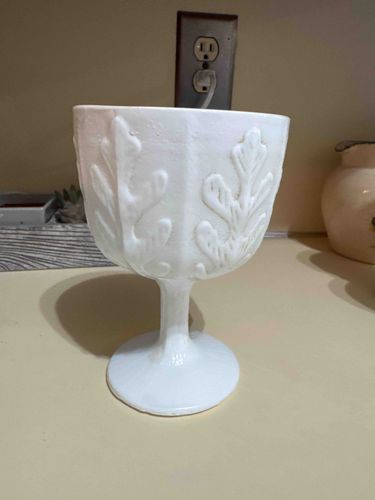
Milk Glass Hobnail or Leaf Pattern Goblet/Compote

Decorative Glassware

AI Estimated Value

·Not an official valuation·Verify before acting

$15 - $30

As of June 27, 2026

AI Item Analysis

·AI can make mistakes·Verify before acting
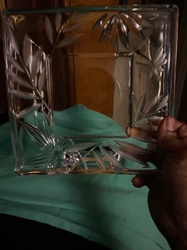
The item is a white milk glass goblet or small compote dish, approximately 6-8 inches in height. It features a decorative relief pattern of stylized leaves, likely oak leaves or similar foliage, consistently repeated around the bowl. The pattern is raised from the surface, creating a tactile and visually interesting texture. The goblet has a classic form with a wide, open bowl, a slender stem, and a round, stable foot. The milk glass material gives it an opaque, milky white appearance, typical of glassware popular from the late 19th to mid-20th centuries. The piece appears to be made in a mold, indicated by the uniformity of the pattern and potential mold lines, though none are clearly visible in the provided image. There are no obvious chips, cracks, or repairs visible, suggesting it is in good vintage condition. The surface has a matte to semi-gloss finish, which is characteristic of milk glass. Without visible maker's marks, it is difficult to attribute to a specific manufacturer, but companies like Fenton, Westmoreland, and Fostoria were prolific producers of such items. The style suggests it could be from the mid-20th century, possibly 1940s-1970s. The craftsmanship appears to be of standard quality for mass-produced decorative glassware of that era.
AI Appraisal Report

·AI can make mistakes·Verify before acting
Upon visual examination of the provided image, I assess this white milk glass goblet/compote to be in very good vintage condition. There are no visible chips, cracks, or repairs, which is crucial for glassware value. The relief leaf pattern appears crisp and consistent, typical of mold-pressed milk glass from the mid-20th century. Authenticity as a period decorative item is likely; however, without maker's marks or provenance, attribution to a specific manufacturer like Fenton or Westmoreland remains speculative, as many companies produced similar wares. Market conditions for common milk glass pieces are generally stable but not exceptionally strong. This type of decorative glassware, while charming, is not considered rare. Numerous comparable pieces, often sold as sets or individual decorative accents, are available on secondary markets (online and in antique shops) for relatively modest prices. Demand for general milk glass remains consistent among collectors of vintage home decor, but this specific item does not possess unique features or historical significance that would drive high demand or rarity. Its value is predominantly decorative. The primary factors impacting its value are its excellent condition and its aesthetic appeal as a classic mid-century decorative object. The lack of rarity and specific manufacturer identification prevents it from achieving a higher valuation. For full authentication and more precise dating, an in-person examination would be necessary to check for subtle mold lines, foot rim wear, and any faint markings often missed in photographs. Examination under UV light could also reveal repairs not visible to the naked eye. Provenance documentation would confirm its history and potentially link it to a renowned producer, significantly enhancing its value.

Get your items appraised

Instant estimates of your treasures with AI-powered appraisals

Browse More Appraisals