AI Appraisal Estimate

AI-generated estimates · not official valuations

From the user

What was submitted

Photo and notes provided by the user — not generated by AI

Submitted item photo
Submitted photo · June 22, 2026

User's notes

No additional notes provided.

AI analysis below

AI appraisal

AI analysis & estimate

AI-Generated · Verify before acting

Everything below is generated by AI for informational purposes only. AI can make mistakes — the AI may misidentify items or misattribute them (artist, maker, brand, designer, origin, era). This is not an official valuation and should not be used for insurance, sale, tax, estate, legal, or lending purposes — or any decision requiring a certified appraisal. It is not an authoritative claim about any person, brand, or rights holder — do not share or rely on it as a factual statement about a third party. Always consult qualified professionals before making financial decisions.

Read the full disclaimer

AI Identification

·Not independently authenticated·Verify before acting

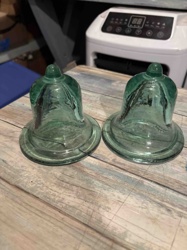
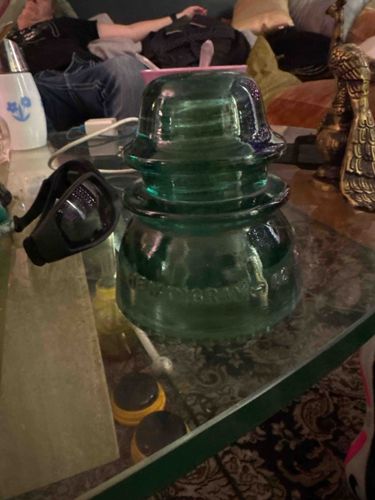
Hemingray No. 42 Glass Insulator

Collectibles / Antique Industrial Glass

AI Estimated Value

·Not an official valuation·Verify before acting

$5.00 - $15.00

As of June 22, 2026

AI Item Analysis

·AI can make mistakes·Verify before acting
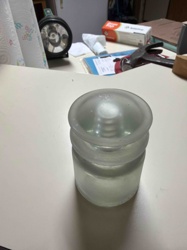
This is a vintage aqua-colored glass electrical insulator, specifically identified as a Hemingray No. 42 model. This particular design is often referred to by collectors as a 'double-petticoat' insulator due to its tiered, bell-shaped construction. Fabricated from thick, heavy-duty soda-lime glass, the item exhibits the classic blue-green 'aqua' tint characteristic of mid-20th-century industrial glass production. The bottom rim features rounded drip points designed to shed water and prevent electrical tracking. Embossed lettering is visible around the base, reading 'HEMINGRAY-42,' which was a hallmark of the Hemingray Glass Company, one of the most prolific manufacturers in the United States from the late 19th century through the mid-20th century. Based on the style and markings, this insulator likely dates between the 1920s and 1950s. The glass appears to be in good structural condition with no major chips or cracks visible in the primary dome, though minor 'flea bites' or small chips on the sharp edges of the drip points are common for pieces salvaged from telegraph or power lines. The piece shows a smooth, glossy surface with some internal air bubbles (seeds) which are typical of the manufacturing process of the era. The heavy mold lines indicate its industrial utility. Its scale is roughly 4 inches in height and 3.75 inches in diameter at the base.
AI Appraisal Report

·AI can make mistakes·Verify before acting
I have virtually examined this Hemingray No. 42 glass insulator in its classic aqua tint. The item appears to be an authentic example of a mid-20th-century communication insulator, featuring the characteristic double-petticoat design and drip points. My visual assessment confirms the presence of circular mold lines and internal seed bubbles consistent with soda-lime glass production methods of the 1920s-1950s. The 'aqua' color is common, as this was the natural result of iron impurities in the sand used for industrial batches. While the main body displays a high gloss, the minor 'flea bites' on the drip points are typical for field-recovered specimens and slightly lower the grade from 'Mint' to 'Near Mint.' Market conditions for the Hemingray 42 are characterized by high supply; because millions were produced and many remain in circulation, they are considered an entry-level collectible. Rarity is low, as this was the 'workhorse' of the industry. Value is primarily driven by color and condition; while rare cobalt or purple Hemingrays command high prices, the standard aqua remains affordable. Limitations of this digital appraisal include the inability to feel for ground-down repairs or to verify the exact base style (smooth vs. sharp drip points) through tactile inspection. A full authentication would require an in-person examination to check for 're-dipped' glass (forged color) or modern reproductions, though the latter is rare for this specific model. Provenance regarding the specific line it was salvaged from could add minor historical interest but would not significantly alter the market price.

Get your items appraised

Instant estimates of your treasures with AI-powered appraisals

Browse More Appraisals