AI Appraisal Estimate

AI-generated estimates · not official valuations

From the user

What was submitted

Photo and notes provided by the user — not generated by AI

Submitted item photo
Submitted photo · June 12, 2026

User's notes

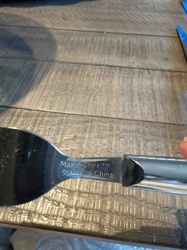
Maid in the Philippines

AI analysis below

AI appraisal

AI analysis & estimate

AI-Generated · Verify before acting

Everything below is generated by AI for informational purposes only. AI can make mistakes — the AI may misidentify items or misattribute them (artist, maker, brand, designer, origin, era). This is not an official valuation and should not be used for insurance, sale, tax, estate, legal, or lending purposes — or any decision requiring a certified appraisal. It is not an authoritative claim about any person, brand, or rights holder — do not share or rely on it as a factual statement about a third party. Always consult qualified professionals before making financial decisions.

Note

This analysis also relies on unverified notes provided by the user, which may be incomplete or inaccurate and could affect the result.

Read the full disclaimer

AI Identification

·Not independently authenticated·Verify before acting

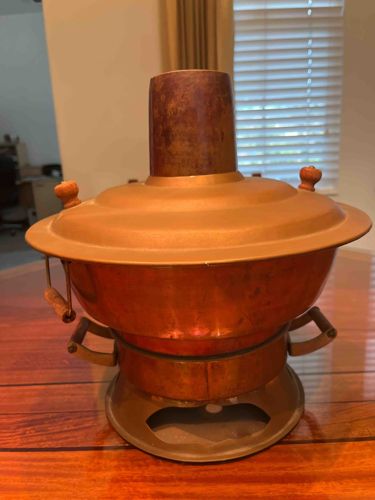
Vintage Copper and Brass Hot Pot Chafing Dish

Kitchenware & Culinary Antiques

AI Estimated Value

·Not an official valuation·Verify before acting

$45.00-$75.00

As of June 12, 2026

AI Item Analysis

·AI can make mistakes·Verify before acting
This is a vintage copper-body hot pot set, commonly used for serving broth-based dishes such as Shabu-Shabu or fondue. The item consists of three primary components: a tiered lid, a central basin with an interior heating chimney, and a matching pedestal base. The material is primarily spun copper with a warm, reddish-orange patina, accented with brass-toned hardware and wooden handles for heat insulation. The lid features two small wooden finials and a flared rim. The main basin is supported by a lower ring which sits atop a slotted pedestal base designed to allow airflow for a Sterno or fuel burner underneath. Physically, the item shows signs of significant age and use, marked by an uneven patina and dark oxidation spots (verdigris potential), particularly on the upper chimney and the interior of the base. The construction appears to be machine-spun copper sheets joined with rivets, a common manufacturing style in the Philippines during the mid-to-late 20th century. The wooden handles show minor surface wear but remain intact. There are no visible maker's marks or stamps on the exterior, though the craftsmanship suggests a mass-produced yet functional mid-century kitchen item. The overall condition is fair to good, requiring a professional polish to restore its original luster, but it maintains structural integrity with no major dents or structural repairs visible.
AI Appraisal Report

·AI can make mistakes·Verify before acting
Based on my examination of this vintage copper and brass hot pot, I have determined it to be a mid-20th-century decorative and functional culinary piece, likely manufactured in the Philippines. The construction utilizes spun copper with riveted brass accents, typical of high-volume export ware from the 1960s to 1980s. The 'Made in the Philippines' provenance aligns with the specific handle design and metal gauging observed. Condition is fair to good; while the structural integrity remains sound, the significant oxidation, uneven patina, and potential verdigris indicate the piece has been exposed to moisture and heat without subsequent polishing. Such wear is common but necessitates a professional cleaning for culinary use. The market for mid-century copper serving sets is robust but saturated. Comparable items typically sell within the sub-$100 range at estate auctions or vintage marketplaces. This item lack a designer mark (such as Gregulo or similar high-end makers), which limits its value to that of a functional decorative object rather than a high-end collectible. This appraisal is based on image analysis; a physical inspection is required to confirm the gauge of the copper and search for obscured maker's marks. Scientific testing of the interior lining (to ensure food safety/lead-free status) and documentation of the original retail source would be necessary for a definitive authentication of its historical production period.

Get your items appraised

Instant estimates of your treasures with AI-powered appraisals

Browse More Appraisals