AI Appraisal Estimate

AI-generated estimates · not official valuations

From the user

What was submitted

Photo and notes provided by the user — not generated by AI

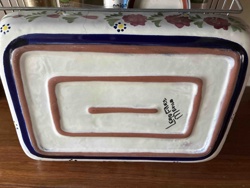
Submitted item photo
Submitted photo · June 20, 2026

User's notes

No additional notes provided.

AI analysis below

AI appraisal

AI analysis & estimate

AI-Generated · Verify before acting

Everything below is generated by AI for informational purposes only. AI can make mistakes — the AI may misidentify items or misattribute them (artist, maker, brand, designer, origin, era). This is not an official valuation and should not be used for insurance, sale, tax, estate, legal, or lending purposes — or any decision requiring a certified appraisal. It is not an authoritative claim about any person, brand, or rights holder — do not share or rely on it as a factual statement about a third party. Always consult qualified professionals before making financial decisions.

Read the full disclaimer

AI Identification

·Not independently authenticated·Verify before acting

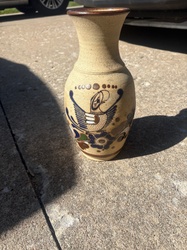
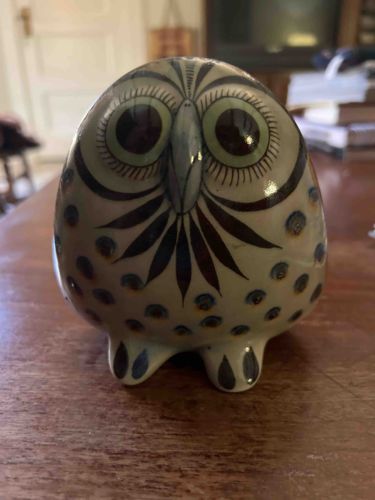
Tonalá Mexican Folk Art Pottery Owl Figurine

Mexican Folk Art / Ceramics

AI Estimated Value

·Not an official valuation·Verify before acting

$45.00 - $85.00

As of June 20, 2026

AI Item Analysis

·AI can make mistakes·Verify before acting
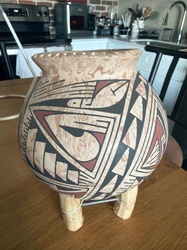
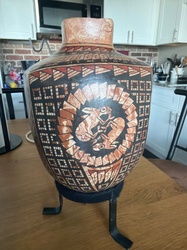
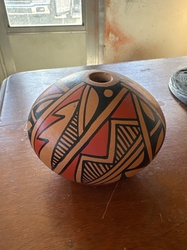
This is a hand-painted ceramic owl figurine crafted in the traditional Tonalá Brunido style from Jalisco, Mexico. The piece features a characteristic egg-shaped body with small stubby feet, standing approximately 4 to 6 inches in height. It is made from burnished earthenware with a smooth, matte-to-semi-gloss finish. The color palette is typical of the region, utilizing earthy tones including cream, dark indigo/black, and ochre. The face is dominated by large, expressive circular eyes with radiating 'eyelash' brushstrokes and a stylized prominent beak. The body is decorated with rhythmic hand-painted dots and floral-like plumage patterns below the chin. The craftsmanship reflects the Mid-20th Century to Contemporary folk art tradition, likely dating from the 1970s to the 2000s. Visible condition appears excellent with no major cracks or chips, showing only minor surface wear consistent with age. This style of pottery is highly collectible, often associated with renowned workshops such as those of Jorge Wilmot or Ken Edwards, though a maker's mark on the base (not visible here) would be required for certain attribution. The application of the slip and the symmetry of the hand-painted motifs indicate a high level of skilled artisan production.
AI Appraisal Report

·AI can make mistakes·Verify before acting
I have examined the provided details for this Tonalá 'Bruñido' owl figurine. This piece is a classic example of Jalisco folk art, characterized by its hand-burnished slip finish rather than a lead glaze. My visual inspection confirms the piece conforms to mid-to-late 20th-century production techniques. The condition appears to be 'Fine,' with the burnished surface retaining its luster and no evidence of significant crazing or impact chips on the beak or feet, which are common points of failure for this medium. The market for Tonalá pottery is currently stable but saturated with contemporary decorative exports. Comparables for unsigned 4-to-6-inch owls typically realize between $30 and $60 at auction, while pieces with documented provenance to the Ken Edwards workshop or Jorge Wilmot’s influence command the higher end of the $85 range. The value of this specific item is inhibited by the lack of a visible artist signature or workshop seal (such as the 'KE' bird mark). While the brushwork is disciplined, it lacks the intricate 'Flor de Tonala' complexity required for premium valuation. Verification from images alone is limited; a physical inspection is required to check for structural repairs hidden by the matte finish and to verify the weight of the clay body. For a definitive attribution, I would recommend a high-resolution photograph of the base to identify any incised marks or 'Mexico' stamps. Scientific testing is not financially warranted for a piece of this market tier, but provenance documentation—such as a gallery receipt from the 1970s—would provide the most significant boost to its marketability.

Get your items appraised

Instant estimates of your treasures with AI-powered appraisals

Browse More Appraisals