Acheulean-Style Bifacial Hand Axe
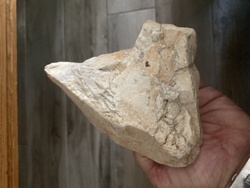
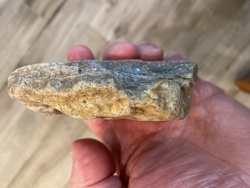
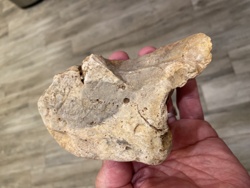
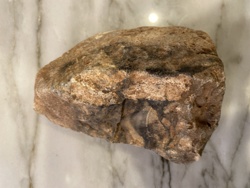
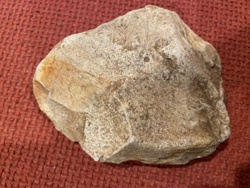
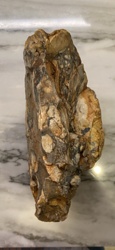
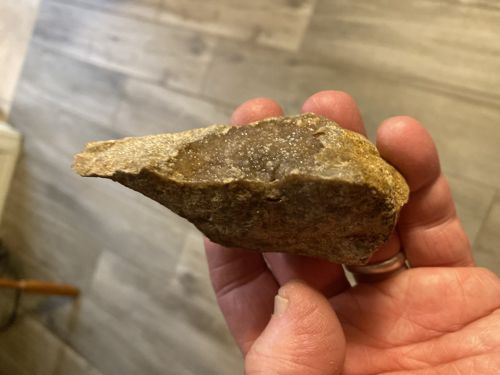
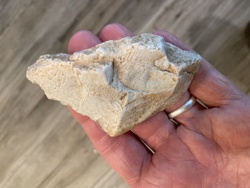
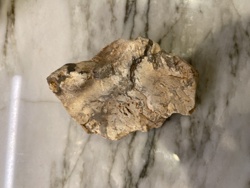
This specimen is a hand-held lithic tool measuring approximately 4 inches in length and 1.75 inches in width. It features bifacial flaking, a characteristic of the Acheulean industry, with material removed from both sides to create a pointed, teardrop-shaped profile and relatively sharp lateral edges. The item is composed of a dense, microcrystalline stone, likely a variety of chert or flint common to the Oklahoma region. The coloring ranges from deep earthen browns to lighter tan ochres, with a notable crystalline or druzy pocket visible in the center that reveals the internal petrology of the stone. The surface displays significant weathering and a heavy desert varnish or patina consistent with extreme age. The construction shows evidence of percussion flaking, with a thicker, bulbous base designed for a palm grip and a tapering distal end that serves as the primary working edge. There is no evidence of modern mechanical grinding; rather, the form is achieved through deliberate prehistoric knapping techniques. Condition is reflective of its origin, showing minor edge rolling and ancient striae but no modern fractures or repairs. As a Lower Paleolithic style tool found in Guthrie, OK, it represents a significant example of early hominid-influenced craftsmanship, showcasing the transition from opportunistic pebble tools to more complex, symmetrical bifacial designs.
AI-Generated Appraisal Disclaimer
Estimated Value
$400 - $650
Basic Information
Category
Archaeological Artifacts / Prehistoric Stone Tools
Appraised On
March 19, 2026
Estimated Value
$400 - $650
Additional Details Provided By Owner
User Provided Information
Lower Paleolithic Acheulean bi face hand axe knife tool found in Guthrie, OK measuring 4" x 1.75"
Item Description
This specimen is a hand-held lithic tool measuring approximately 4 inches in length and 1.75 inches in width. It features bifacial flaking, a characteristic of the Acheulean industry, with material removed from both sides to create a pointed, teardrop-shaped profile and relatively sharp lateral edges. The item is composed of a dense, microcrystalline stone, likely a variety of chert or flint common to the Oklahoma region. The coloring ranges from deep earthen browns to lighter tan ochres, with a notable crystalline or druzy pocket visible in the center that reveals the internal petrology of the stone. The surface displays significant weathering and a heavy desert varnish or patina consistent with extreme age. The construction shows evidence of percussion flaking, with a thicker, bulbous base designed for a palm grip and a tapering distal end that serves as the primary working edge. There is no evidence of modern mechanical grinding; rather, the form is achieved through deliberate prehistoric knapping techniques. Condition is reflective of its origin, showing minor edge rolling and ancient striae but no modern fractures or repairs. As a Lower Paleolithic style tool found in Guthrie, OK, it represents a significant example of early hominid-influenced craftsmanship, showcasing the transition from opportunistic pebble tools to more complex, symmetrical bifacial designs.
Related Tags
Get Your Items Appraised
Instant estimates of your treasures with AI-powered instant appraisals