Set of Four African Tribal Caryatid Figurines
Art & Antiques - Ethnographic Arts

Set of Four African Tribal Caryatid Figurines

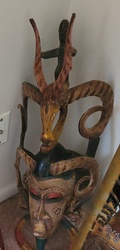
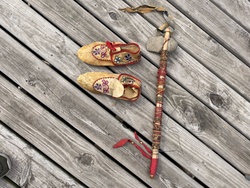
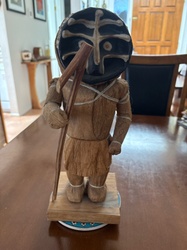
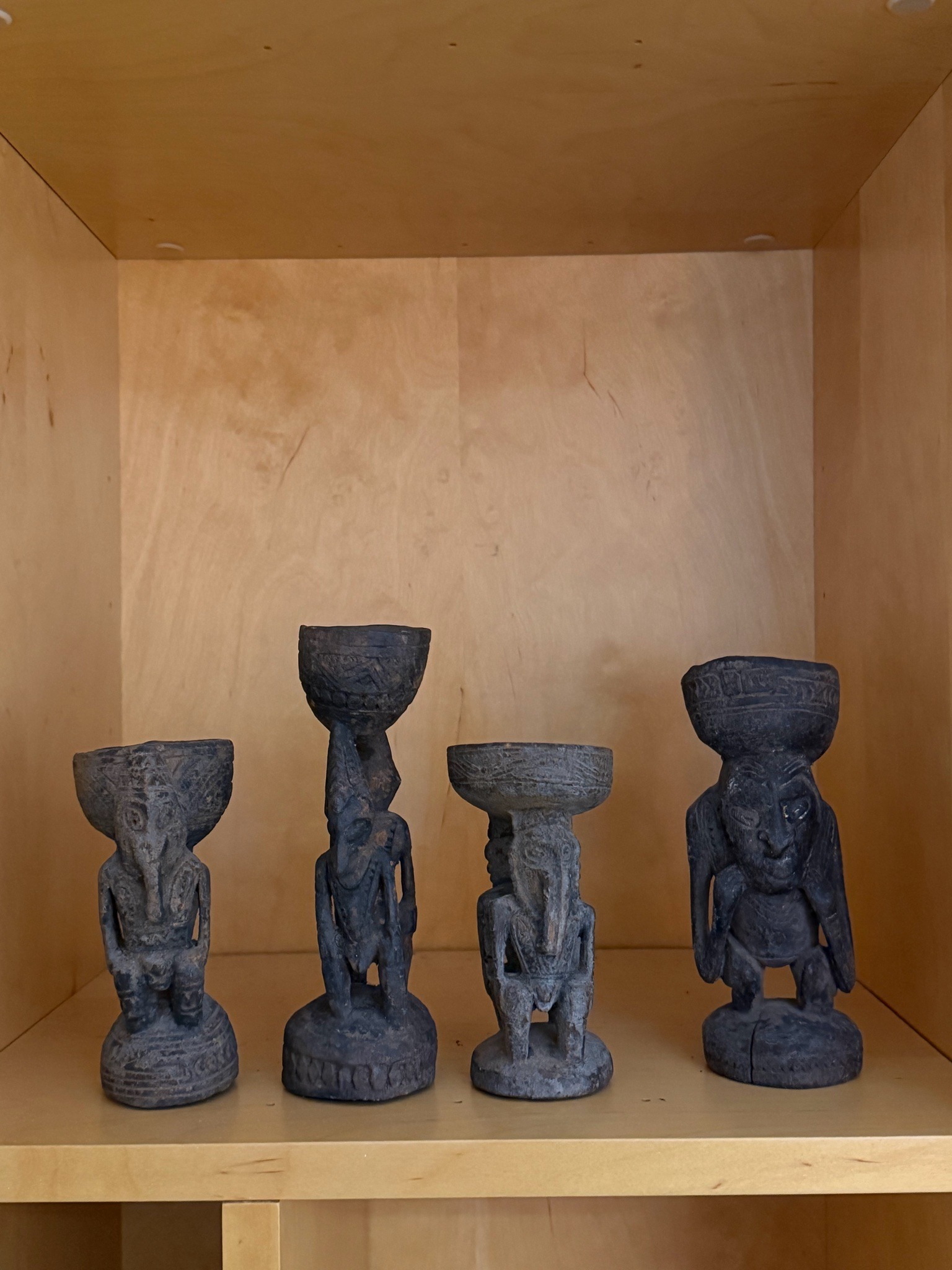
This is a collection of four hand-carved African tribal figurines, likely originating from West Africa, possibly reflecting Dogon or Senufo stylistic influences. Each piece is carved from a single dense, dark wood with a matte, blackened finish that suggests a traditional smoking or charring treatment. The figures serve as caryatids, depicted in a crouched or seated position while supporting large vessels or basins on their heads. The anatomical features are highly stylized and elongated, characteristic of traditional tribal art. Their faces exhibit long, narrow noses and large headdresses that merge into the supported vessels. The bases are thick and rounded with geometric textural markings. In terms of condition, these pieces show signs of significant age and use; there are visible longitudinal cracks (checking) in the wood, particularly on the base of the far-right figure and the torsos of others, which occurs naturally as wood dries over time. Dust and light surface abrasions are present, contributing to an aged patina. The craftsmanship displays deliberate, rhythmic chisel marks, indicating they were artisanally produced rather than mass-manufactured. They likely date from the mid-20th century.
Estimated Value

$1,200 - $1,800 USD

Basic Information

Category

Art & Antiques - Ethnographic Arts

Appraised On

May 6, 2026

Estimated Value

$1,200 - $1,800 USD

Item Description

This is a collection of four hand-carved African tribal figurines, likely originating from West Africa, possibly reflecting Dogon or Senufo stylistic influences. Each piece is carved from a single dense, dark wood with a matte, blackened finish that suggests a traditional smoking or charring treatment. The figures serve as caryatids, depicted in a crouched or seated position while supporting large vessels or basins on their heads. The anatomical features are highly stylized and elongated, characteristic of traditional tribal art. Their faces exhibit long, narrow noses and large headdresses that merge into the supported vessels. The bases are thick and rounded with geometric textural markings. In terms of condition, these pieces show signs of significant age and use; there are visible longitudinal cracks (checking) in the wood, particularly on the base of the far-right figure and the torsos of others, which occurs naturally as wood dries over time. Dust and light surface abrasions are present, contributing to an aged patina. The craftsmanship displays deliberate, rhythmic chisel marks, indicating they were artisanally produced rather than mass-manufactured. They likely date from the mid-20th century.
Get Your Items Appraised

Instant estimates of your treasures with AI-powered instant appraisals

Browse More Appraisals