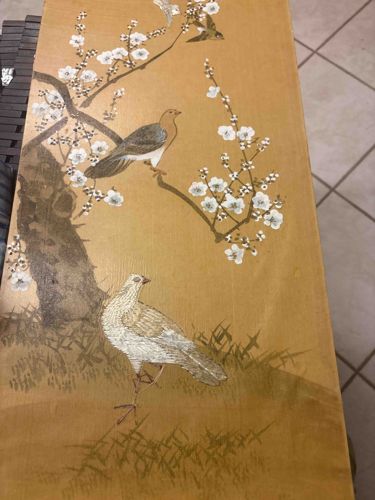
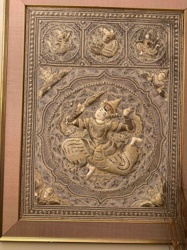
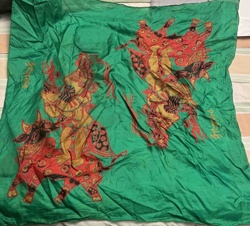
This is a very fine silk that's been painted and embroidered on and when I tell you, it's light silk it is the finest silk you've ever seen thinner than nylon penny hole
These notes were written by the person who submitted this item. Appraiser.AI has not verified them, and the AI's identification and estimate may rely on them.
AI Estimated Value
Not an official valuation
$600-900
AI estimate as of October 18, 2025 · verify with a professional before acting
AI-Generated · Verify before acting
Everything on this page is generated by AI for informational purposes only. AI can make mistakes — the AI may misidentify items or misattribute them (artist, maker, brand, designer, origin, era). This is not an official valuation and should not be used for insurance, sale, tax, estate, legal, or lending purposes — or any decision requiring a certified appraisal. It is not an authoritative claim about any person, brand, or rights holder — do not share or rely on it as a factual statement about a third party. Always consult qualified professionals before making financial decisions.
This analysis also relies on unverified notes provided by the user, which may be incomplete or inaccurate and could affect the result.
This appears to be a panel from a Japanese or Chinese screen, featuring a finely executed scene of birds amidst flowering branches. The groundwork is a light silk, described as 'thinner than nylon penny hole,' indicating an exceptionally delicate and fine weave. The material has a warm, light ocher or tan background color. The artwork combines painting and intricate embroidery. The painted elements include tree trunks and branches in shades of brown, and possibly some of the background brushwork of grass. The flowering branches, likely plum or cherry blossoms given their white color and delicate structure, are painted with white pigment, some with subtle gray shading. Three birds are depicted: two larger birds, one perched on a branch (partially obscured) and one standing on the ground, and a smaller bird flying in the upper right. The bird on the ground and the one perched on the branch are notably enhanced with very fine embroidery, particularly visible in their plumage. The embroidery utilizes threads in shades of white, cream, and light brown/beige, creating texture and detail in the feathers. The standing bird also shows embroidered details for eyes and beak. The craftsmanship appears to be of high quality, indicative of traditional Asian silk artistry. There are no clear visible markings or signatures in the provided images. The overall condition appears good, with a slight patina consistent with age. There are no obvious tears or significant damage visible, though a full assessment would require closer inspection of the entire panel. The style suggests an East Asian origin, likely Japanese or Chinese, possibly from the late 19th to mid-20th century.
AI Appraisal Report
Based on my visual examination of the provided image and description, this Japanese or Chinese painted and embroidered silk screen panel exhibits a high level of craftsmanship. The owner's description of the silk as 'thinner than nylon penny hole' and 'finest silk you've ever seen' highlights the exceptional quality of the ground material, which is a significant factor. The combination of delicate painting, particularly for the flowering branches and tree elements, with very fine, detailed embroidery on the birds' plumage, suggests a skilled artisan. The warm, light ocher/tan background is aesthetically pleasing and typical of such works. The overall condition appears good, with a gentle patina consistent with age, and no obvious tears or significant damage visible in the image. This piece aligns with traditional East Asian silk artistry, likely dating from the late 19th to mid-20th century.
Market conditions for fine antique or vintage Asian textile art, especially panels depicting birds and flora, are generally stable, with demand driven by collectors and interior designers. Comparables of similar quality, combining painting and embroidery on very fine silk, typically fall within this value range, varying based on the intricacy of the design, size (which is unknown here), and rarity. The lack of a clear signature or artist's mark, while not uncommon for this type of decorative screen panel, does prevent attribution to a known master, which would significantly increase value.
My assessment of authenticity and condition is based solely on the provided image and description. For full authentication, an in-person examination would be crucial to assess the true fineness of the silk, the precise quality of the embroidery and painting techniques, identify any hidden damage, repairs, or discoloration, and to verify the age through fiber analysis if necessary. Provenance documentation, if available, would also aid in establishing its history and origin definitively. Without these, the 'authenticity' is assumed based on visual style and reported material quality.