Stone Age Chert Multi-Tool Scraper
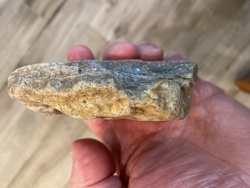
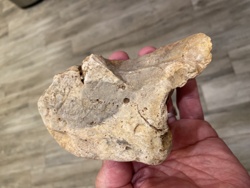
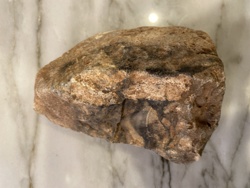
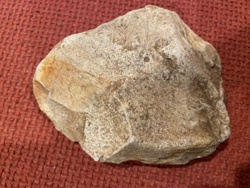
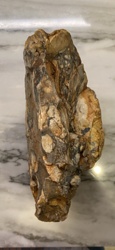
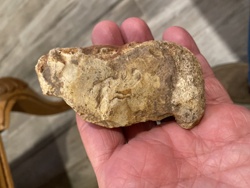
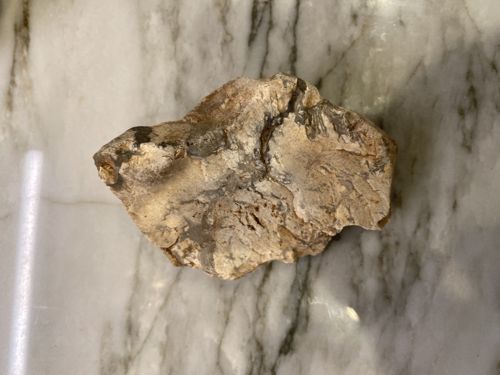
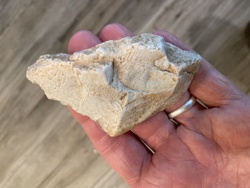
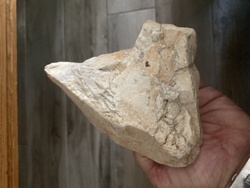
This is a prehistoric lithic artifact, specifically a multi-purpose scraper tool crafted from native chert, measuring approximately 4 inches by 3 inches as found in Guthrie, Oklahoma. The specimen exhibits the characteristic waxy to dull luster of high-silica stone. Its coloration is a variegated mix of earthy tan, cream, and grey, suggesting a local variation of chert or flint typical of the region's geological formations. The physical construction shows evidence of intentional percussion flaking and marginal retouch along the edges to create a sharp, durable working surface. The tool's morphology indicates it was likely utilized for hide scraping, woodworking, or cutting. There is a visible patina and mineral deposits consistent with long-term burial in soil. Notable features include several concave 'spokeshave' notches and a distal edge that shows signs of use-wear breakage and step fracturing. The craftsmanship suggests an expedient but highly functional tool design, likely dating to the Paleo-Indian or Archaic period, although precise dating would require site-specific stratigraphy. No modern machine marks or metal-tool signatures are present, supporting its authenticity as an ancient hand-knapped artifact.
AI-Generated Appraisal Disclaimer
Estimated Value
$45.00 - $75.00
Basic Information
Category
Archaeological Artifacts / Prehistoric Stone Tools
Appraised On
February 18, 2026
Estimated Value
$45.00 - $75.00
Additional Details Provided By Owner
User Provided Information
Prospect stone age chert scraper multi tool found in Guthrie OK 4" x 3"
Item Description
This is a prehistoric lithic artifact, specifically a multi-purpose scraper tool crafted from native chert, measuring approximately 4 inches by 3 inches as found in Guthrie, Oklahoma. The specimen exhibits the characteristic waxy to dull luster of high-silica stone. Its coloration is a variegated mix of earthy tan, cream, and grey, suggesting a local variation of chert or flint typical of the region's geological formations. The physical construction shows evidence of intentional percussion flaking and marginal retouch along the edges to create a sharp, durable working surface. The tool's morphology indicates it was likely utilized for hide scraping, woodworking, or cutting. There is a visible patina and mineral deposits consistent with long-term burial in soil. Notable features include several concave 'spokeshave' notches and a distal edge that shows signs of use-wear breakage and step fracturing. The craftsmanship suggests an expedient but highly functional tool design, likely dating to the Paleo-Indian or Archaic period, although precise dating would require site-specific stratigraphy. No modern machine marks or metal-tool signatures are present, supporting its authenticity as an ancient hand-knapped artifact.
Related Tags
Explore similar items and categories:
Get Your Items Appraised
Instant estimates of your treasures with AI-powered instant appraisals