AI Appraisal Estimate

AI-generated estimates · not official valuations

From the user

What was submitted

Photo and notes provided by the user — not generated by AI

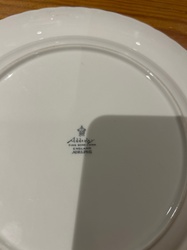
Submitted item photo
Submitted photo · May 19, 2026

User's notes

Myott

AI analysis below

AI appraisal

AI analysis & estimate

AI-Generated · Verify before acting

Everything below is generated by AI for informational purposes only. AI can make mistakes — the AI may misidentify items or misattribute them (artist, maker, brand, designer, origin, era). This is not an official valuation and should not be used for insurance, sale, tax, estate, legal, or lending purposes — or any decision requiring a certified appraisal. It is not an authoritative claim about any person, brand, or rights holder — do not share or rely on it as a factual statement about a third party. Always consult qualified professionals before making financial decisions.

Note

This analysis also relies on unverified notes provided by the user, which may be incomplete or inaccurate and could affect the result.

Read the full disclaimer

AI Identification

·Not independently authenticated·Verify before acting

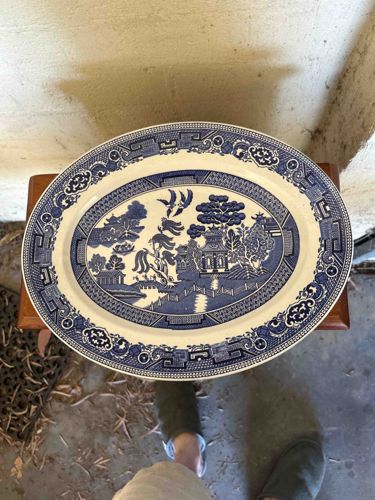
Myott Blue Willow Transferware Oval Platter

Antique and Vintage Ceramics / English Tableware

AI Estimated Value

·Not an official valuation·Verify before acting

$25 - $45

As of May 19, 2026

AI Item Analysis

·AI can make mistakes·Verify before acting
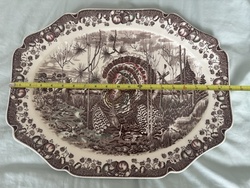
This is a vintage oval serving platter featuring the classic 'Willow' or 'Blue Willow' pattern, produced by the British manufacturer Myott, Sons & Co. The piece is constructed from fine earthenware (ironstone) with an off-white or cream-colored base glaze. The decoration is applied via transfer printing in a deep cobalt blue. The central landscape features the traditional iconography of the Willow pattern: two birds in flight, a willow tree, three figures on a bridge, a pagoda, and a boat. This central scene is framed by a geometric diaper-pattern border with butterfly and scroll motifs interspersed along the rim. The platter displays a slightly scalloped or softened oval edge, characteristic of mid-20th-century production, likely dating between the 1930s and 1950s. Regarding condition, the glaze appears intact with a healthy shine, though there is visible light discoloration or 'crazing' on the outer rim surface, which is common in older English porous-body earthenware. There are no large chips or structural cracks visible from the top view, and the transfer application is crisp with minimal bleed. The craftsmanship reflects the industrial quality of the Staffordshire potteries, showing high-detail engraving and a durable, heavy-weight ceramic body meant for utilitarian dining use.
AI Appraisal Report

·AI can make mistakes·Verify before acting
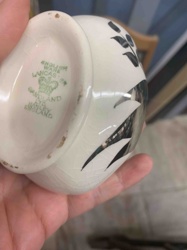
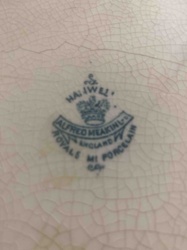
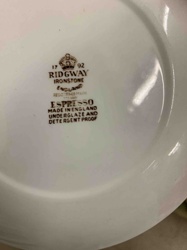
Based on my examination of the submitted images, this is an authentic vintage transferware platter produced by Myott, Sons & Co., likely dating to the mid-20th century (circa 1930s-1950s). The piece features the ubiquitous 'Blue Willow' pattern, a staple of Staffordshire pottery. Myott produced these utilitarian wares in large volumes, making them relatively common in the secondary market today. The transfer print is crisp, and the deep cobalt blue contrasts nicely with the cream earthenware body, which are positive indicators of quality from this era. Condition is the primary value driver here. The platter retains a good gloss, but I note the presence of crazing and light discoloration along the rim, typical of porous earthenware of this age. While no major chips or structural cracks are visible in the photos, this type of wear relegates it to 'user' rather than 'collector' grade. Market demand for Blue Willow remains steady but soft due to the sheer volume of surviving examples; however, serving platters generally command a slight premium over standard dinner plates. Comparables for Myott Willow platters of this size often sell in the $25 to $45 range, depending on the specific size (which should be measured for a final valuation) and the severity of the crazing. Without an in-person inspection, I cannot confirm the absence of hairline cracks or professional restoration, nor can I feel the weight or texture of the glaze to fully assess the extent of the crazing. For a definitive valuation, I would need to physically handle the piece to check for resonance (the 'ring' test) and examine the maker's mark directly.

Get your items appraised

Instant estimates of your treasures with AI-powered appraisals

Browse More Appraisals