AI Appraisal Estimate

AI-generated estimates · not official valuations

From the user

What was submitted

Photo and notes provided by the user — not generated by AI

Submitted item photo
Submitted photo · May 19, 2026

User's notes

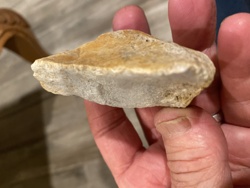
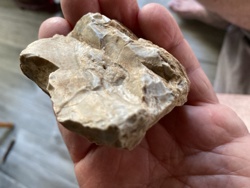
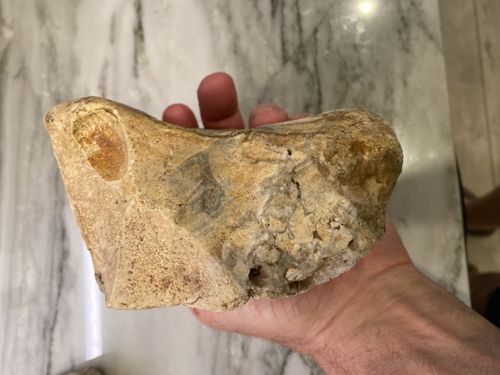
very large chert hand axe/ scraper multi tool found in Guthrie Ok 6" x 3.5"

AI analysis below

AI appraisal

AI analysis & estimate

AI-Generated · Verify before acting

Everything below is generated by AI for informational purposes only. AI can make mistakes — the AI may misidentify items or misattribute them (artist, maker, brand, designer, origin, era). This is not an official valuation and should not be used for insurance, sale, tax, estate, legal, or lending purposes — or any decision requiring a certified appraisal. It is not an authoritative claim about any person, brand, or rights holder — do not share or rely on it as a factual statement about a third party. Always consult qualified professionals before making financial decisions.

Note

This analysis also relies on unverified notes provided by the user, which may be incomplete or inaccurate and could affect the result.

Read the full disclaimer

AI Identification

·Not independently authenticated·Verify before acting

Large Native American Paleolithic/Archaic Chert Hand Axe Multi-Tool

Pre-Columbian Lithic Artifacts

AI Estimated Value

·Not an official valuation·Verify before acting

$150 - $250

As of May 19, 2026

AI Item Analysis

·AI can make mistakes·Verify before acting
This is a substantial lithic tool measuring approximately 6 inches by 3.5 inches, identified as a hand axe or large bifacial scraper. The item is fashioned from a dense, high-silica chert, most likely sourced from local Oklahoma deposits. Physically, the tool displays a rugged, asymmetrical geometry designed to fit ergonomically in the hand, with a thick, unworked 'butt' end for gripping and a tapered, flaked working edge. The color palette consists of earthy tan and ochre hues, with areas of greyish-blue chert visible beneath the weathered exterior. The surface displays significant percussion flaking along the margins, indicating intentional shaping for heavy-duty tasks like butchering or wood processing. Multiple flake scars and possible retouching along the narrow end suggest a multi-use life as both a chopper and a scraper. The condition shows heavy patination consistent with a long period of burial and exposure to groundwater minerals. There are no modern tool marks; the visible chips and pitting are indicative of ancient usage and geofacts. Based on its size and morphology, this piece likely dates to the Late Paleolithic or Early Archaic period. The craftsmanship reflects an expedient design where utility prioritized aesthetic symmetry, common in nomadic hunter-gatherer societies.

AI Appraisal Report

·AI can make mistakes·Verify before acting
Based on my examination of this Oklahoma chert biface, the item presents as a classic Late Paleolithic to Early Archaic multi-tool. The 6-inch by 3.5-inch dimensions and the percussion-flaked margins suggest a tool optimized for heavy processing. Visually, the heavy patination and mineral staining are consistent with long-term soil burial in the Guthrie, OK region. The lack of modern mechanical crushing or metal tool marks supports its antiquity. These 'expedient' tools, while culturally significant, are common in the lithic record compared to highly refined projectile points. The current market for large bifaces and choppers is stable but modest; similar specimens from the Mid-South typically realize between $150 and $250. The value is driven by size and the ergonomic hand-feel, though the lack of formal aesthetic symmetry (common in utilitarian tools) limits the appeal to high-end 'art' collectors. It is vital to note that this appraisal is based on photographic evidence only. Authenticity cannot be 100% verified without an in-person microscopic inspection to verify 'ring' and 'bloom' patination vs. chemical aging. Furthermore, the lack of recorded provenance (documented site history) significantly restricts the value to the lower end of the market. To reach a higher valuation or museum-grade status, the item would require a formal lithic analysis and a documented chain of ownership to ensure it was legally recovered from private land in accordance with state laws.

Get your items appraised

Instant estimates of your treasures with AI-powered appraisals

Browse More Appraisals